The Value of Aseptic Sampling on the Farm
The Value of Aseptic Sampling on the Farm
The farmer wakes up at 4:30am, gets dressed, grabs a cup of coffee and heads out to the milking barn. As he sips his coffee, he pulls up his emails and receives the dreaded email from his co-op. He will not be getting his quality premium this month because of high levels of all bacteria, E. coli, and coliforms in his milk. He sits for a moment perplexed. The conductivity alarm never went off all month and his somatic cell counts averaged 110,000 for the month. The benchmarks set up in his milk house for cow kickoffs, liners sized and alignment, and teat preparation did not change. His staff is extremely well trained, and his herd manager is extremely diligent in managing the process. He has taken nearly every action he can to ensure the quality of his milk, from bedding to using the most expensive teat preparation solution on the market.
This is not a new or unique story. This story plays out all over the United States, every day. Dairy producers do everything right to produce the cleanest, purest milk and the problem isn’t with the farmer, but how the sample was taken.
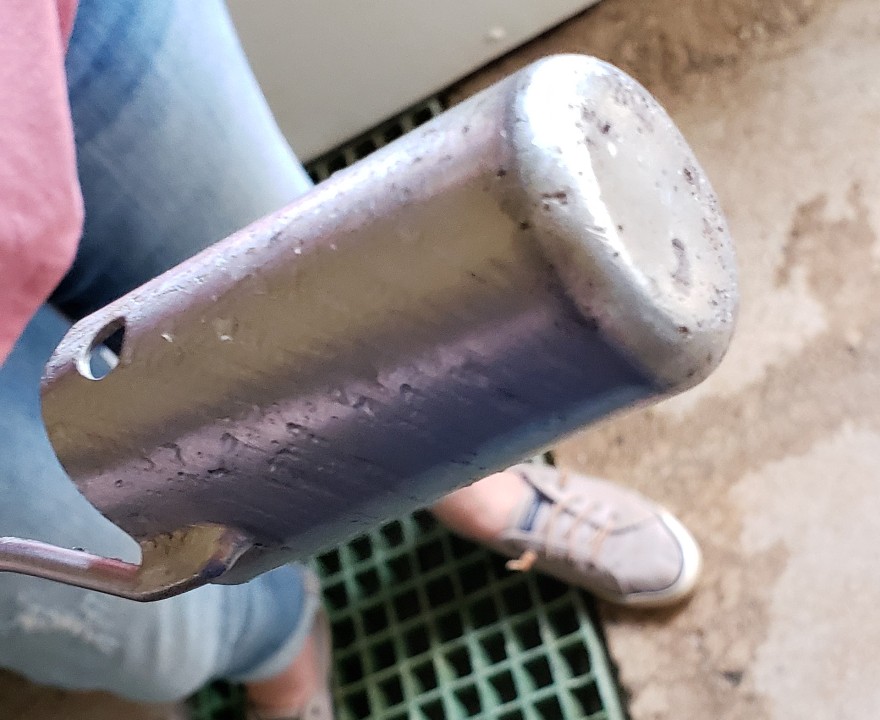
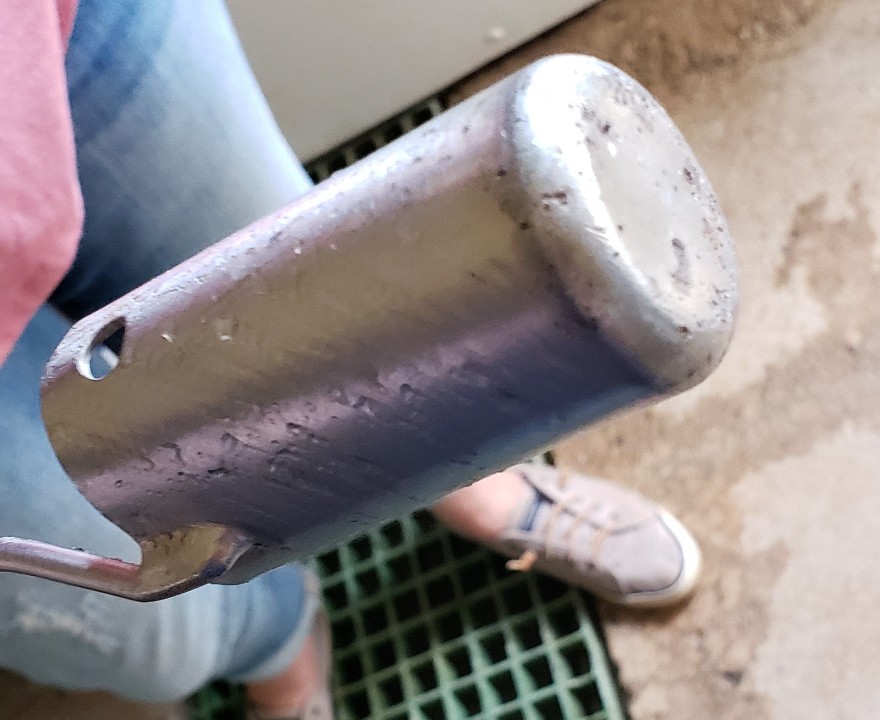
The ‘Gold Standard’ of sampling, the dipper, has so many quality holes that you could strain pasta through it.
Did the certified sampler check the concentration of the solution used to sanitize the dipper prior to use? Did he touch the dipper after sanitization or open the sterile vial correctly without touching the inside of the lid? How exactly did the certified sampler get to the top of the ladder on the bulk tank with a sanitized dipper in one hand and three to eight vials in the other and still maintain the sanitization of the dipper? Finally, after the sample was taken, was it left on a counter until the tanks were empty or was it immediately placed in an ice bath for transport? There are just so many possibilities for error and contamination that have nothing to do with the actual milk sample.
The solution is simple and effective by eliminating a 90% chance of human error and 100% of the cross-contamination opportunities from the on-farm sampling process. Aseptic sampling on the farm is that solution. It’s the method of sampling that needs to be embraced as a concept by all producers and backed by regulatory agencies as the new ‘Gold Standard’. This sampling ideology shift needs to be undertaken for the betterment of the industry as a whole and for farmers who rely on sampling accuracy for their bottom line.

By Brett Roeller
Director of National Accounts, QualiTru Sampling Systems
brett@qualitru.com Follow Brett on LinkedIn
By