
Can Small Farm Values Survive?
Can Small Farm Values Survive?
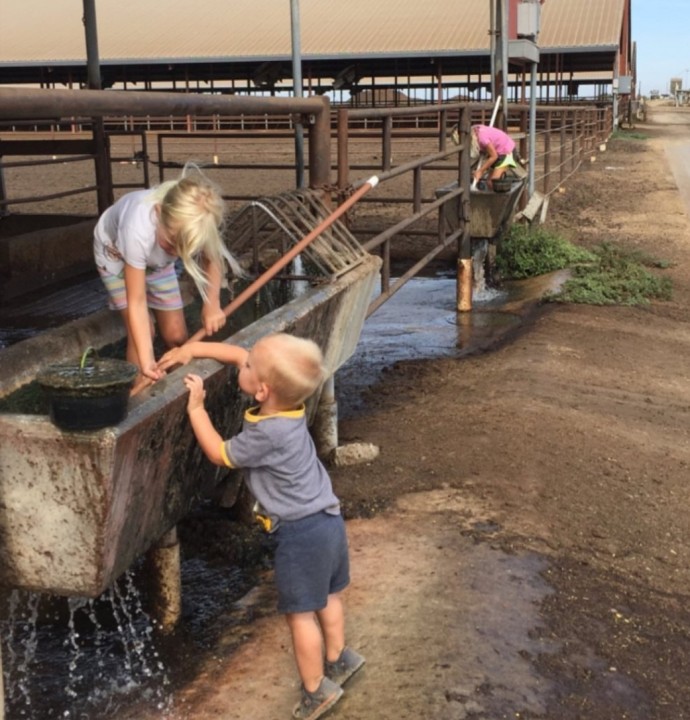
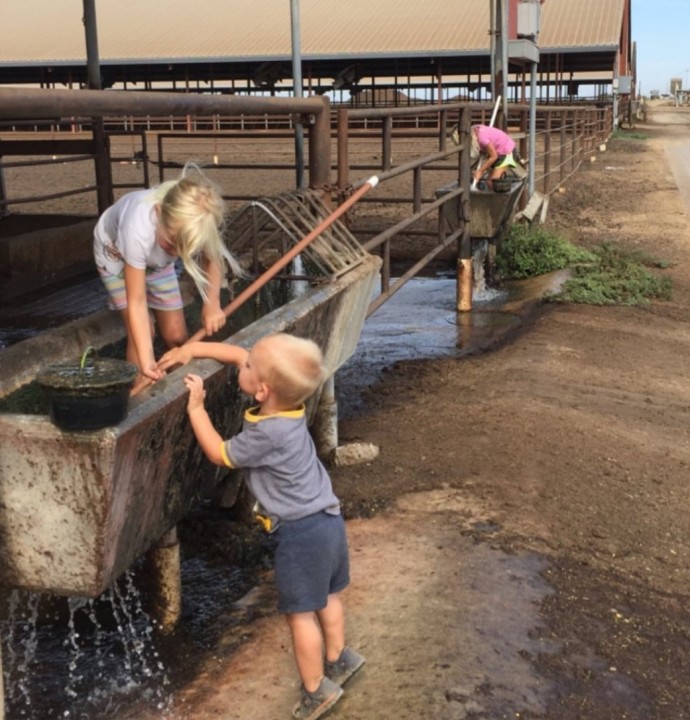
I am always astonished by the strength and purity of small dairy farm family values: work hard, family is the most important thing in the world, and don’t forget to thank God every night for our blessings. In a world of massive technological leaps, the dairy farmer still works with his hands and takes pride in doing so.
In the last four years, we have lost over 25% of the farms in the U.S. at a rate of 5-8% per year. The media is riddled with stories titles like, “The Death of the Small Farm,” and “Advice to Small Farms, sell-out Now”. Through all this loss, milk production and the number of cows are at an all-time high and steadily increasing. This means that while the small farms are slowly disappearing, the bigger farms are becoming even bigger.
When I visit these mega dairies, I am equally astonished, but in a much different way. They are run like well-oiled machines. Bedding is changed at 6 am sharp, feeding at 8 am, milking from 10 am to 2 pm, and system clean-in-place wash at 2:15 pm. The carbon footprint of dairies has dropped by 63% since 1944, because of increases in efficiencies.
My question is a simple one. Are we as an industry making important trade-offs for more production and revenue?
The small farms do not have the capital to install cow brushes in the barns, because it is an added expense that they cannot provide. On the other hand, the small farming family will walk into the barn to scratch and pet the cows, because they love their animals. The small farm used to part of a community of people in a geographic area that all came together on Sundays, and whose children all attended the same schools. The mega farms are constantly under scrutiny from states and towns, because of water usage, land stewardship, methane production and animal care. On small farms, the cows are named Snowflake and Bessie and are not culled until it is absolutely necessary. On mega farms the cows are named 62359 and 62360 and their life spans coincide with their productivity, generally about four years.
The farmer and his family have been an American icon of what it means to work hard, be independent and create a life for a family. Mega dairies are the beacon of efficiency, production and industrialization. While nostalgia about family farms runs deep, progression towards large herds is inevitable. I hope both entities will continue to have a place in the future of the dairy industry.
Nostalgia about family farm life may run high to the consumer.

By Brett Roeller
Director of National Accounts, QualiTru Sampling Systems
brett@qualitru.com Follow Brett on LinkedIn
By Brett Roeller Director of National Accounts QualiTru Sampling Systems brett@qualitru.com Follow BrettLinkedIn